Best Containers for Meal Prep Bowls
What to look for in containers for rice bowls, salad bowls, sauces, and freezer meals.
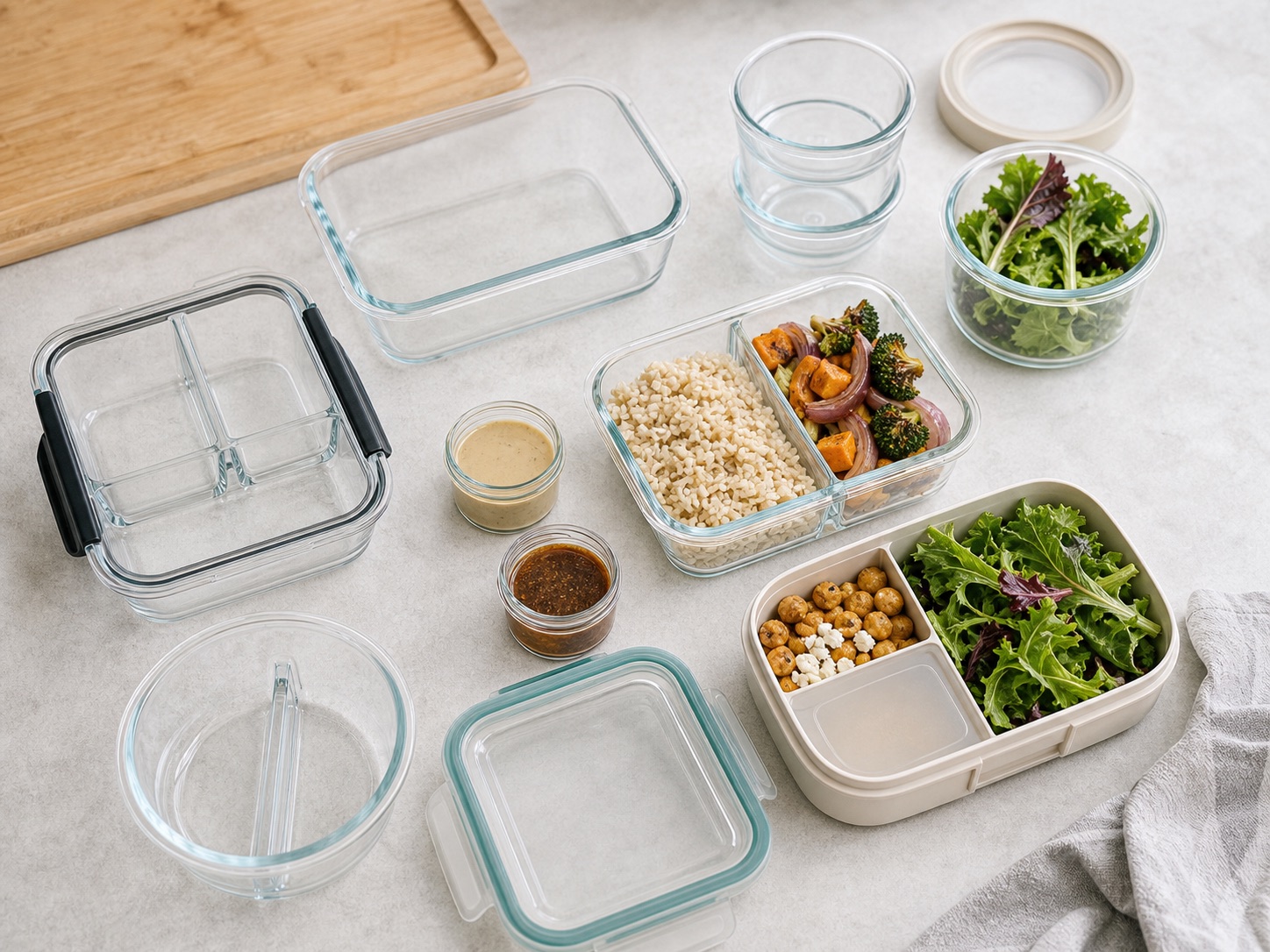
This container guide is built for the everyday decisions behind bowl meals: what can be reheated, what should stay crisp, where sauce belongs, and which containers make packed lunches easier to assemble.
Quick guide card
Use this card as the working version for Best Containers for Meal Prep Bowls before reading the deeper prep and storage notes.
What you need
- Wide glass or BPA-free containers for bowl bases
- Small leak-resistant cups for sauces
- Divided containers for crisp toppings
- Freezer-safe containers for rice and cooked proteins
- Labels or tape for dates
Step-by-step plan
- Choose wide containers for bowls that need separated toppings; deep containers work better for soups than bowls.
- Use a smaller sauce cup or jar so dressing does not soak the greens.
- For reheating, choose containers labeled microwave-safe and vent the lid if the manufacturer allows it.
- For freezer meals, leave a little space at the top because food expands as it freezes.
- Test one packed bowl before buying a full set of containers.
For a stronger prep routine around Best Containers for Meal Prep Bowls, pair this guide with How to Keep Salad Bowls from Getting Soggy, Five Simple Sauces That Make Meal Prep Bowls Better. These related guides help with sauce choice, storage, and planning the next bowl without repeating the same meal.
Why this guide works
Best Containers for Meal Prep Bowls starts with Wide glass or BPA-free containers for bowl bases, then builds around Small leak-resistant cups for sauces and Divided containers for crisp toppings. That combination gives the bowl a clear base, enough substance, and something fresh or crisp in the same container.
A good bowl works because every part has a job: base, protein, texture, sauce, and finish.
Simple prep plan
For best containers for meal prep bowls, prepare the ingredient that takes longest first, then work toward the pieces that should stay fresh. This keeps the cooking session orderly and prevents hot food from steaming delicate toppings.
Before packing, decide whether best containers for meal prep bowls will be eaten hot, cold, or partly reheated. That single decision tells you which ingredients can share a container and which ones need their own small cup or compartment.
Flavor direction
For container shopping, a rice bowl with sauce needs a different setup than a salad bowl. A wide glass container works for reheating rice and chicken, while a small separate cup keeps dressing away from greens until lunch.
If the bowl starts to taste flat, adjust the finish before adding more ingredients. Citrus, herbs, scallions, toasted seeds, pickled onions, or a small spoonful of sauce can make best containers for meal prep bowls feel fresh without rebuilding the whole recipe.
Meal prep notes
Use this guide as a decision tool before you cook. For best containers for meal prep bowls, the reader should be able to choose what to prep now, what to hold back, and what to add at serving time.
The most useful prep choice is to separate ingredients by temperature and texture. For best containers for meal prep bowls, anything warm, saucy, or heavy should not sit directly on the freshest toppings for several days.
Storage and reheating tips
Best Containers for Meal Prep Bowls reheats best when the warm base is stored apart from the cold finish. Reheat the grain, protein, beans, or roasted vegetables first, then add herbs, cucumber, avocado, greens, or dressing afterward.
Label containers with the prep date and use the most delicate kitchen tips meals earlier in the week. If something smells off, looks unusual, or has been stored too long, discard it rather than trying to rescue the bowl with sauce.
Ingredient swaps
The best swaps should keep the original job intact. If a container, sauce, or planning step changes, the replacement should still protect texture, reduce waste, or make the bowl easier to pack.
For container shopping, a rice bowl with sauce needs a different setup than a salad bowl. A wide glass container works for reheating rice and chicken, while a small separate cup keeps dressing away from greens until lunch.
Serving rhythm
Kitchen tip pages should make the next cooking session easier. The advice should be specific enough that a reader can change one habit immediately.
Before serving best containers for meal prep bowls, add one fresh finishing element: citrus, herbs, scallions, pickled onions, seeds, or a small spoonful of sauce. A small finish can make a prepared bowl taste newly assembled.
Food safety and allergy notes
Best Containers for Meal Prep Bowls may include common allergens depending on the swaps used, including milk, eggs, fish, shellfish, tree nuts, peanuts, wheat, soy, or sesame. Check labels and avoid cross-contact when cooking for anyone with allergies.
For cooked ingredients in best containers for meal prep bowls, BowlPrep Daily uses conservative storage language and refers readers to official food safety resources for leftovers, cold storage, and allergens.
References
These references support the storage, allergy, and balanced-meal background used in Best Containers for Meal Prep Bowls. They are general cooking references, not medical advice.
- USDA Food Safety and Inspection Service: Leftovers and Food Safety
- FoodSafety.gov: Cold Food Storage Chart
- U.S. Food and Drug Administration: Food Allergies, What You Need to Know
- Harvard T.H. Chan School of Public Health: The Healthy Eating Plate
Practical tips
- Choose one sauce before choosing extra toppings.
- Do not pack hot food directly with crisp greens.
- Use leftovers intentionally rather than mixing unrelated flavors.
FAQ
Can I prep best containers for meal prep bowls ahead?
Yes. Prep the warm base and main protein ahead, then store fresh toppings and sauce separately so best containers for meal prep bowls keeps better texture.
What should stay separate for best containers for meal prep bowls?
For best containers for meal prep bowls, keep sauces, tender greens, avocado, herbs, and crunchy toppings separate whenever possible. Add them after reheating or right before eating.
Friendly note
Best Containers for Meal Prep Bowls is for general home cooking inspiration. Adjust ingredients for your household, check labels for allergens, and follow safe storage practices.