Leftover Rice Bowl Ideas
Smart ways to turn extra rice into quick lunches with eggs, beans, vegetables, and sauces.
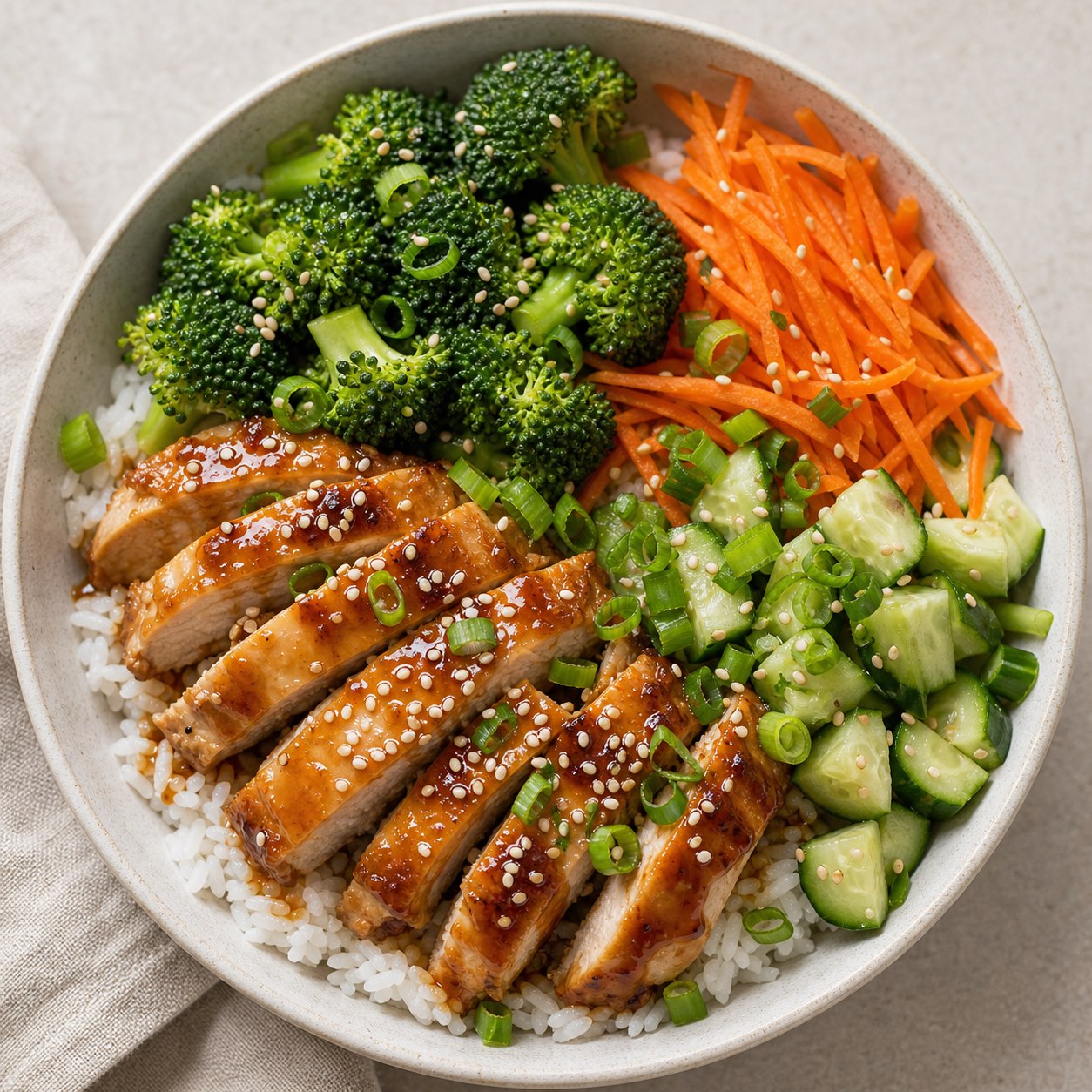
This leftover rice guide is built for quick lunches that still taste intentional. A bowl starts to feel new when reheated rice gets one clear protein, one crisp vegetable, and one bright sauce.
Quick guide card
Use this card as the working version for Leftover Rice Bowl Ideas before reading the deeper prep and storage notes.
What you need
- 2 cups cooked leftover rice
- 1 to 2 eggs, canned beans, tuna, tofu, or cooked chicken
- 1 cup crisp vegetables
- 1/3 cup sauce or dressing
- Scallions, herbs, sesame seeds, or pickled onions
Step-by-step plan
- Break up cold rice with your fingers or a spoon before reheating so it warms evenly.
- Reheat rice in a skillet for 3 to 5 minutes with a splash of water, or microwave covered until steaming.
- Add a cooked protein such as egg, beans, tuna, chicken, or tofu.
- Add one crisp vegetable and one bright sauce so the bowl does not taste like plain leftovers.
- Serve immediately, or pack cold toppings separately if saving for later.
For a budget-friendly bowl that starts with pantry ingredients, see Budget Bean and Sweet Potato Bowls. To plan rice, beans, vegetables, and sauces before leftovers pile up, use the Weekly Grocery List for Five Bowl Meals and the sauce guide.
Why this guide works
Leftover rice works best when it is treated as a base, not as the whole meal. Break it up, warm it with a little moisture, then add a protein that already has flavor: a jammy egg, black beans with salsa, tuna with herbs, tofu with soy-ginger sauce, or shredded chicken with lime.
The bowl feels planned when the fresh pieces are obvious. A small handful of cucumber, cabbage, scallions, pickled onions, or herbs changes the texture enough that the rice stops reading as yesterday's dinner.
Simple prep plan
Start by checking the rice. If it is clumped, loosen it before reheating so the center gets hot instead of staying cold. A covered microwave bowl with a teaspoon or two of water works for most rice; a skillet is better when you want lightly crisp edges.
Build only the parts that can sit together. Rice, beans, cooked chicken, tofu, or roasted vegetables can share a container, while greens, herbs, avocado, cucumber, and most sauces should wait in a separate cup or small bag.
Flavor direction
Choose one lane before adding toppings: egg, scallions, sesame, and soy-ginger sauce; beans, corn, cabbage, and salsa; or tuna, cucumber, herbs, and lemon dressing. That one decision keeps the bowl from becoming a random leftovers pile.
If the bowl tastes flat, finish it with acid or crunch before adding more bulk. Lime juice, pickled onions, toasted seeds, chopped herbs, or a spoonful of sauce usually does more than another scoop of rice.
Meal prep notes
Use this guide as a decision tool before you cook. The most important choice is whether the bowl will be eaten hot, cold, or partly reheated.
For a hot bowl, pack rice with sturdy ingredients and reheat that section first. For a cold lunch, use the rice in smaller amounts with beans, tuna, cucumber, herbs, and a sharper dressing so the texture stays lighter.
Storage and reheating tips
Leftover rice bowls reheat best when the rice is stored in a shallow container and warmed until steaming. Add cold finishes after reheating so herbs, greens, cucumber, and avocado do not wilt.
Label containers with the prep date and use rice bowls earlier in the week. If rice smells sour, looks wet in an unusual way, or has been held at room temperature too long, discard it instead of masking the problem with sauce.
Ingredient swaps
The best swaps should keep the original job intact. If a container, sauce, or planning step changes, the replacement should still protect texture, reduce waste, or make the bowl easier to pack.
Match the sauce to the rice instead of adding random leftovers. Soy-ginger sauce works with egg and greens, salsa works with beans and corn, and lemon yogurt works with cucumber, herbs, and chickpeas.
Serving rhythm
Budget bowls work when one ingredient does more than one job during the week. Rice can become a warm egg bowl one day, a black bean lunch the next day, and a cold tuna bowl when paired with cucumber and herbs.
Before serving, add the one thing leftover rice cannot provide on its own: freshness. Citrus, herbs, scallions, pickled onions, cucumber, or a spoonful of sauce makes the bowl feel newly assembled.
Food safety and allergy notes
Leftover rice bowls may include soy sauce, eggs, dairy-based sauces, fish, sesame, peanuts, or wheat depending on the direction you choose. Check labels on bottled sauces and keep allergen-heavy toppings separate.
Rice deserves special care: cool it quickly, refrigerate it in a shallow container, and reheat it until steaming before eating hot. Do not keep rice that has sat at room temperature for an extended period.
References
These references support the storage, allergy, and balanced-meal background used in Leftover Rice Bowl Ideas. They are general cooking references, not medical advice.
- USDA Food Safety and Inspection Service: Leftovers and Food Safety
- FoodSafety.gov: Cold Food Storage Chart
- U.S. Food and Drug Administration: Food Allergies, What You Need to Know
- Harvard T.H. Chan School of Public Health: The Healthy Eating Plate
Practical tips
- Reheat rice with a splash of water so the grains soften evenly.
- Choose one flavor lane before adding extra toppings.
- Pack herbs, cucumber, avocado, and crunchy toppings separately.
FAQ
How can leftover rice taste fresh again?
Reheat it with a splash of water, then add one crisp vegetable, one protein, and a bright sauce. The fresh pieces make the rice feel planned instead of recycled.
What should stay separate in leftover rice bowls?
Keep raw greens, herbs, avocado, crunchy toppings, and most sauces separate from hot rice. Add them after reheating so they keep their texture.
Friendly note
This guide is for general home cooking inspiration. Adjust ingredients for your household, check labels for allergens, and follow safe storage practices.