Lemon Tahini Dressing for Bowls
A practical lemon tahini dressing guide with texture fixes, storage notes, and bowl pairing ideas.
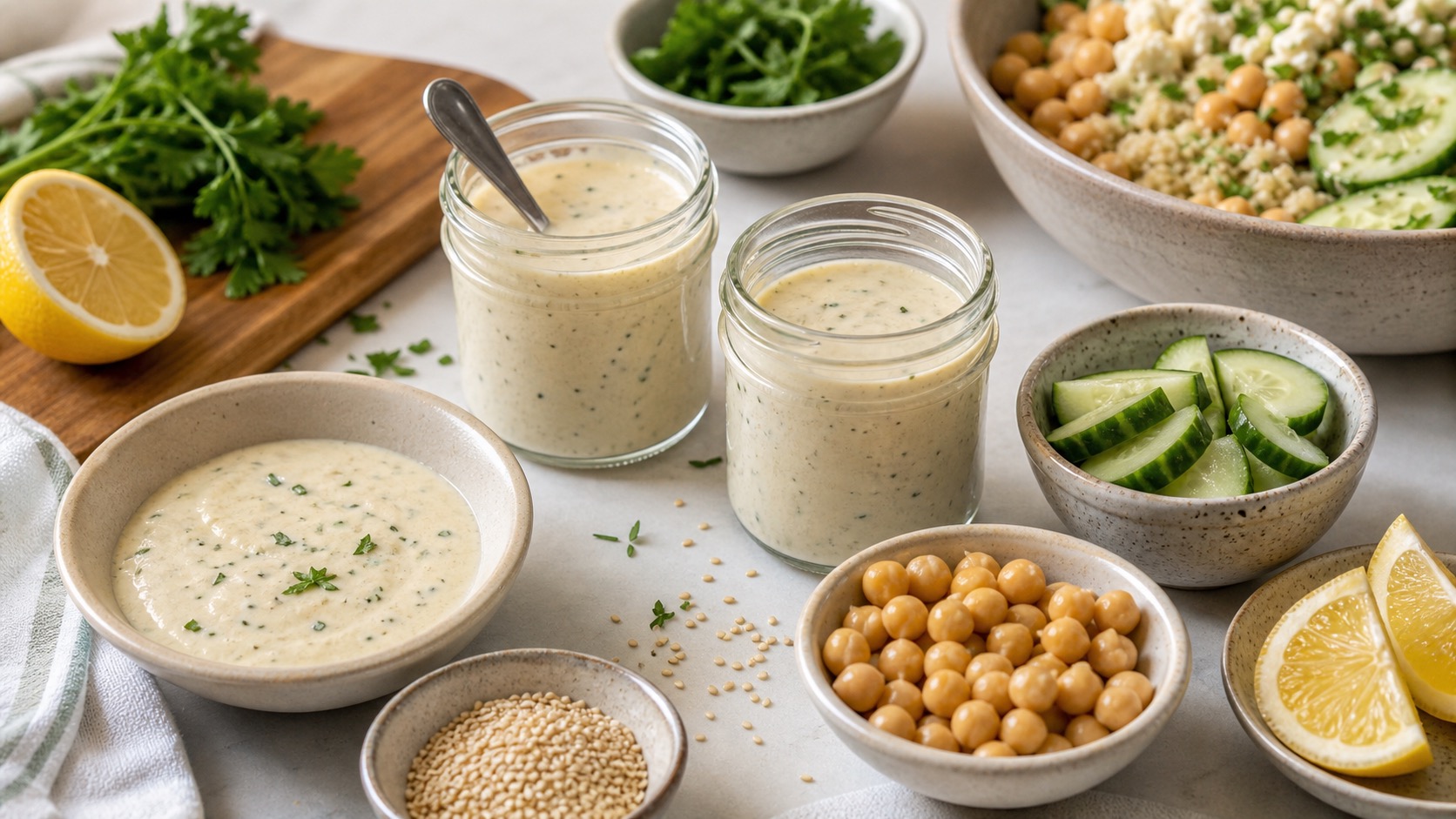
Lemon tahini dressing is one of the easiest ways to make rice bowls, grain bowls, salad bowls, and roasted vegetable bowls taste finished. It is creamy without needing dairy, bright without being thin, and flexible enough to work with chickpeas, chicken, tofu, salmon, and roasted vegetables.
This adsense-articles-batch-4 guide gives the sauces and dressings category a second dedicated page, so the category is no longer supported by only one broad sauce article.
Recipe card
Use this card as the working version for Lemon Tahini Dressing for Bowls before reading the deeper prep and storage notes.
Ingredients
- 1/3 cup tahini
- 3 tablespoons lemon juice
- 1 small garlic clove, grated
- 1 tablespoon olive oil
- 1 teaspoon maple syrup or honey, optional
- 1/4 teaspoon salt, plus more to taste
- 3 to 5 tablespoons cold water
- Black pepper, cumin, or chopped parsley for variation
Step-by-step plan
- Whisk tahini, lemon juice, garlic, olive oil, sweetener if using, and salt in a small bowl.
- Add cold water one tablespoon at a time until the dressing turns smooth and pourable.
- Taste and adjust with more lemon, salt, or water.
- Transfer to a small jar and refrigerate.
- Shake or whisk before serving because tahini thickens as it sits.
For a stronger prep routine around Lemon Tahini Dressing for Bowls, pair this guide with Five Simple Sauces That Make Meal Prep Bowls Better Mediterranean Chickpea Grain Bowls Roasted Vegetable Grain Bowls. These related guides help with sauce choice, storage, and planning the next bowl without repeating the same meal.
Why this guide works
Tahini behaves differently from a vinaigrette. It may look seized or grainy when lemon juice first hits it, then smooth out once enough cold water is whisked in. That change is normal, and understanding it prevents many failed dressings.
The dressing works for meal prep because it can be stored separately and adjusted right before serving. Thicker dressing clings to roasted vegetables and chickpeas, while a thinner version drizzles better over rice or salad greens.
Simple prep plan
Start with a bowl rather than a narrow jar if you are whisking by hand. Tahini needs room to loosen before it becomes pourable.
Add water slowly. One tablespoon can change the texture from paste to sauce, and different tahini brands vary a lot in thickness.
For packed lunches, portion the dressing into small leak-resistant cups. A full jar is convenient at home but risky in a lunch bag.
Flavor direction
If tahini tastes bitter, balance it with more lemon, a tiny amount of sweetener, or extra salt. Do not add too much oil; water is usually the better texture fix.
If the bowl starts to taste flat, adjust the finish before adding more ingredients. Citrus, herbs, scallions, toasted seeds, pickled onions, or a small spoonful of sauce can make lemon tahini dressing for bowls feel fresh without rebuilding the whole recipe.
Meal prep notes
Refrigerate lemon tahini dressing in a covered jar and stir or shake before using. It thickens in the refrigerator, so add cold water a teaspoon at a time to bring it back to a drizzle.
Because this dressing includes fresh garlic and lemon juice, use clean utensils and avoid leaving it at room temperature for long periods.
Ingredient swaps
Use lime instead of lemon for taco-style bowls, cumin for roasted vegetable bowls, parsley for chickpea bowls, or a small spoonful of yogurt if you want a tangier creamy sauce and dairy is appropriate.
If tahini tastes bitter, balance it with more lemon, a tiny amount of sweetener, or extra salt. Do not add too much oil; water is usually the better texture fix.
Serving rhythm
Pair lemon tahini with chickpeas, quinoa, roasted sweet potatoes, crispy tofu, grilled chicken, salmon, cabbage, cucumber, and sturdy greens. It is especially useful when a bowl has dry grains or roasted vegetables that need moisture.
Drizzle lightly first, toss, then add more only if needed. A heavy pour can flatten fresh vegetables and make the bowl feel pasty.
Food safety and allergy notes
Lemon Tahini Dressing for Bowls may include common allergens depending on the swaps used, including milk, eggs, fish, shellfish, tree nuts, peanuts, wheat, soy, or sesame. Check labels and avoid cross-contact when cooking for anyone with allergies.
For cooked ingredients in lemon tahini dressing for bowls, BowlPrep Daily uses conservative storage language and refers readers to official food safety resources for leftovers, cold storage, and allergens.
References
These references support the storage, allergy, and balanced-meal background used in Lemon Tahini Dressing for Bowls. They are general cooking references, not medical advice.
- USDA Food Safety and Inspection Service: Leftovers and Food Safety
- FoodSafety.gov: Cold Food Storage Chart
- U.S. Food and Drug Administration: Food Allergies, What You Need to Know
- Harvard T.H. Chan School of Public Health: The Healthy Eating Plate
Practical tips
- Use cold water to loosen tahini smoothly.
- Store in small cups for lunches rather than dressing the bowl early.
- Add cumin, parsley, or extra lemon to change the direction without making a new sauce.
FAQ
Why did my tahini dressing get thick or grainy?
Tahini often tightens when lemon juice is added. Keep whisking and add cold water slowly until it becomes smooth and pourable.
Which bowls pair best with lemon tahini dressing?
It works especially well with chickpea bowls, roasted vegetable bowls, tofu rice bowls, chicken bowls, and sturdy salad bowls.
Image source note
The article image is an original project-generated food photography asset created for BowlPrep Daily and recorded in the site image source file.
Friendly note
Lemon Tahini Dressing for Bowls is for general home cooking inspiration. Adjust ingredients for your household, check labels for allergens, and follow safe storage practices.